
That confusion costs real money. In ITIC's 2024 research, downtime exceeded $300,000 an hour for 90% of firms surveyed. Most of that time is lost in the gap between "we're looking at it" and "it's fixed."
The fix is usually not more technicians. It's a clear Tier 2 layer with the right access, skills and escalation rules.
In this blog, you will learn what IT support tiers are, why Tier 2 matters in 2026, the most common Tier 2 issues, how Tier 1, Tier 2 and Tier 3 compare, how escalation should work, the steps to strengthen Tier 2 support, and how to choose the right provider.
Key Takeaways
- Tier 2 is where real troubleshooting happens: It handles escalated issues Tier 1 can't solve, such as backend configuration errors and system-level failures.
- Access and depth define Tier 2: Technicians need admin rights, the right tools and years of hands-on experience, not just a script.
- Clear escalation saves hours: Documented handoffs stop users from repeating themselves and stop the same diagnostics from running twice.
- Context speeds every fix: A team that already knows your network, users and history resolves escalations faster than an anonymous queue.
- Regulated data raises the bar: HIPAA and SOC 2 expect access controls, logging and incident response that only a capable Tier 2 layer can maintain.
- Most SMBs are better off outsourcing all tiers: One managed IT partner usually delivers 24/7 coverage that internal layers can't match.
What Are IT Support Tiers?
Support tiers exist for one reason: efficiency. Sending every password reset to your most experienced engineer wastes their time, and sending a network failure to a junior generalist wastes everyone's.
HDI's tiered support framework describes tiers as a way to route incoming work to the right skill level the first time.
Most help desks use three tiers:
1. Tier 1: The Front Line
Tier 1 handles password resets, account lockouts, basic software questions and known issues with documented fixes. Its job is triage: solve what's simple, document everything and escalate what isn't.
2. Tier 2: Advanced Troubleshooting
Tier 2 picks up where Tier 1's scripts run out. It needs system access, configuration authority and technicians who can diagnose problems that don't have a known fix yet.
3. Tier 3: Specialist and Engineering-Level Work
Tier 3 handles what Tier 2 can't close alone, such as vendor-dependent bugs, custom code issues or core infrastructure failures that need engineering-level work.

With the tiers defined, it's easier to see why the middle layer carries so much weight.
Why Does Tier 2 Support Matter in 2026?
Most businesses judge IT support by how quickly someone answers. The bigger factor is how quickly someone with the right access and skills takes ownership of the problem.
Tier 2 matters for several practical reasons:
1. It Decides How Long Outages Last
Tier 1 can't fix a failed VPN or a misconfigured mail server. Every hour a ticket waits for someone who can is an hour of lost work.
2. It Stops Users From Repeating Themselves
When handoffs are documented, the user explains the problem once. When they're not, the same story gets told to three different people.
3. It Keeps Vendor Escalations to a Minimum
A strong Tier 2 layer solves most complex issues in-house, so fewer tickets wait on a software vendor or outside engineer.
4. It Supports Compliance
HHS's HIPAA Security Rule requires access controls, audit controls and safeguards for electronic health information. SOC 2 engagements carry similar pressure on access provisioning, logging and incident response, which is Tier 2 work, not basic help desk support.
Understanding why Tier 2 matters makes it easier to recognize the issues that belong there.
6 Common Tier 2 IT Support Issues
Tier 2 is where issues go once "have you tried restarting it?" stops working. The work is varied, but most tickets fall into a few familiar groups.
Here are the issues Tier 2 handles most often:
1. VPN and Remote Access Failures
Remote employees suddenly can't reach internal systems or shared drives. Fixing it often means checking firewall rules, certificates and user permissions.
2. Email and Microsoft 365 Configuration Problems
Messages bounce, delay or land in spam company-wide because of a DNS, mail flow or tenant setting. These need admin-level access to diagnose and fix.
3. Recurring Application Crashes
An app keeps failing because of a backend setting, a database issue or a bad update, not user error. Tier 2 finds the root cause instead of reinstalling again.
4. Permission Errors After Updates
A system change locks staff out of a shared drive or app. Tier 2 corrects group memberships and access rights without opening up more than it should.
5. Network Connectivity and Performance Issues
Slow or dropped connections traced to switches, Wi-Fi access points or misconfigured devices. These often need deeper diagnostics and configuration changes across the network.
6. Hardware Diagnostics
Failing drives, overheating servers or intermittent faults that go beyond a simple component swap.
There's no single certification that defines "Tier 2", but CompTIA's credentials describe useful skill benchmarks. Network+ covers connectivity, configuration and troubleshooting, while Security+ covers identity management, vulnerability handling and incident response. Demonstrated experience still matters more than exam results.

Once you know what Tier 2 handles, the differences between the tiers become much clearer.
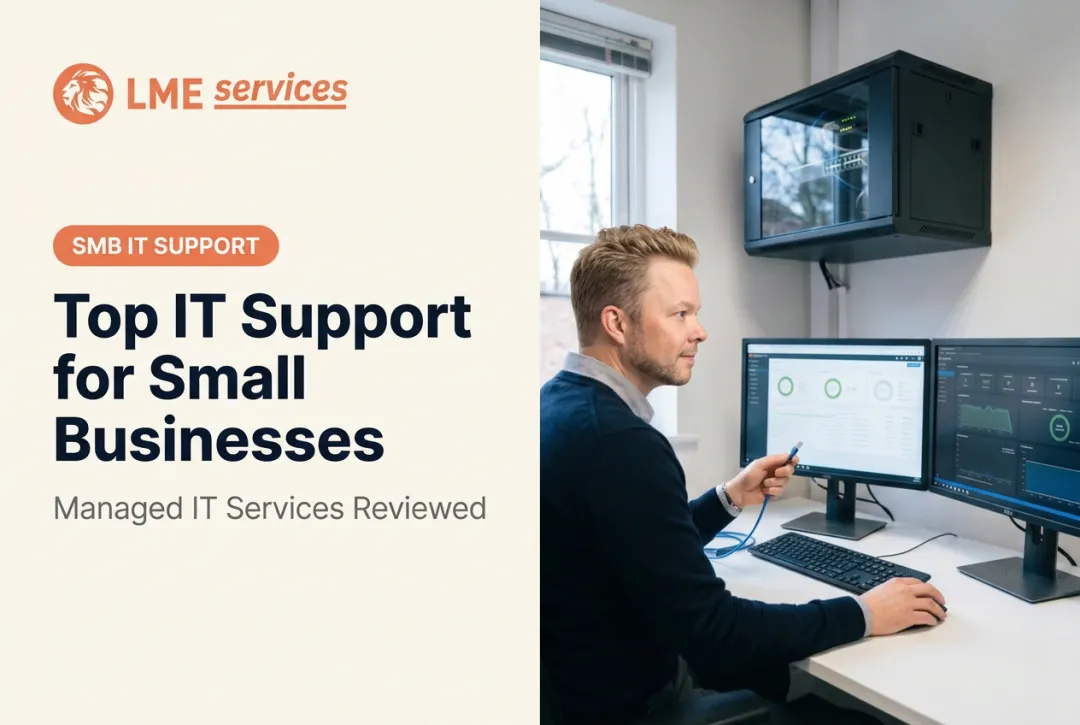
Also Read: Top IT Support for Small Businesses
Tier 1 vs Tier 2 vs Tier 3: What's the Difference?
Each tier has a distinct job, and a healthy help desk depends on all three working together.
The following comparison shows how they differ:
| Aspect | Tier 1 | Tier 2 | Tier 3 |
|---|---|---|---|
| Scope | Routine, scripted fixes | Configuration, backend and deeper diagnosis | Specialist, vendor or engineering-level issues |
| Skill level | Entry-level generalist | Experienced technician | Senior engineer or vendor specialist |
| System access | Limited, user-level | Admin-level on servers, apps and network | Full access, often with vendor tools |
| Example issue | Password reset | VPN failure or email server misconfiguration | Custom application bug or core infrastructure failure |
| Typical handoff | Escalates to Tier 2 with notes | Escalates to Tier 3 only when needed | Returns the fix and documentation to Tier 2 |
| Main goal | Fast triage | Root-cause fixes | Permanent engineering solutions |
To be fair, the split of tickets across tiers isn't fixed. You'll see claims like "70% of tickets resolve at Tier 1," but no authoritative source confirms a universal number, since it depends on ticket mix, automation and staffing.
With the differences clear, the next question is how tickets should move between tiers.
How Should Escalation Between Tiers Work?
A vague escalation path is where downtime multiplies. Tickets sit in queues, users repeat their story and nobody owns the problem until it becomes urgent.
| Escalation Trigger | What Should Happen | Why It Matters |
|---|---|---|
| Standard steps have failed | Tier 1 escalates with notes on what was tried | Tier 2 doesn't repeat the same diagnostics |
| The fix needs admin or backend access | The ticket moves to a technician with the right rights | Access stays limited to people who need it |
| A response target is at risk | Priority rises and a named owner is assigned | Business-critical issues don't stall |
| The same problem keeps coming back | Tier 2 looks for the root cause | Recurring tickets stop draining time |
| A vendor or engineering fix is needed | Tier 2 escalates to Tier 3 and stays the point of contact | The user still has one person to ask |

Response targets should also differ by priority, not follow one blanket promise. ITIL's Service Level Management guidance recommends setting targets based on business needs. Ask any provider for their documented response commitments, priority by priority.
Also Read: Benefits of Managed IT Services for Businesses
Once escalation is clear, you can take practical steps to strengthen Tier 2 support.
5 Simple Steps to Strengthen Tier 2 Support
Improving Tier 2 doesn't always mean hiring. Often it means fixing process, access and ownership.
Follow these steps to get it done:
Step 1: Review Your Recent Tickets
Look at the past few months of tickets. Note which ones took longest, which kept coming back and where they got stuck.
Step 2: Define Escalation Triggers in Writing
Agree on exactly when a ticket moves from Tier 1 to Tier 2 and from Tier 2 to Tier 3. Put it in writing so everyone follows the same rules.
Step 3: Require Documented Handoffs
Every escalation should include the user's description, the steps already tried and any error messages. This alone can save hours on complex tickets.
Step 4: Spread Privileged Access Safely
If one person holds every admin password and recovery key, you have a Tier 2 gap. Use a password manager, role-based access and documented procedures so knowledge isn't stuck with one person.
Step 5: Decide Between In-House and Outsourced Coverage
The BLS reports that computer network support specialists earned a median of $76,220 annually as of May 2025. That's one salary for one role, with no backup cover or after-hours support, so compare it against fully managed IT services that include every tier.
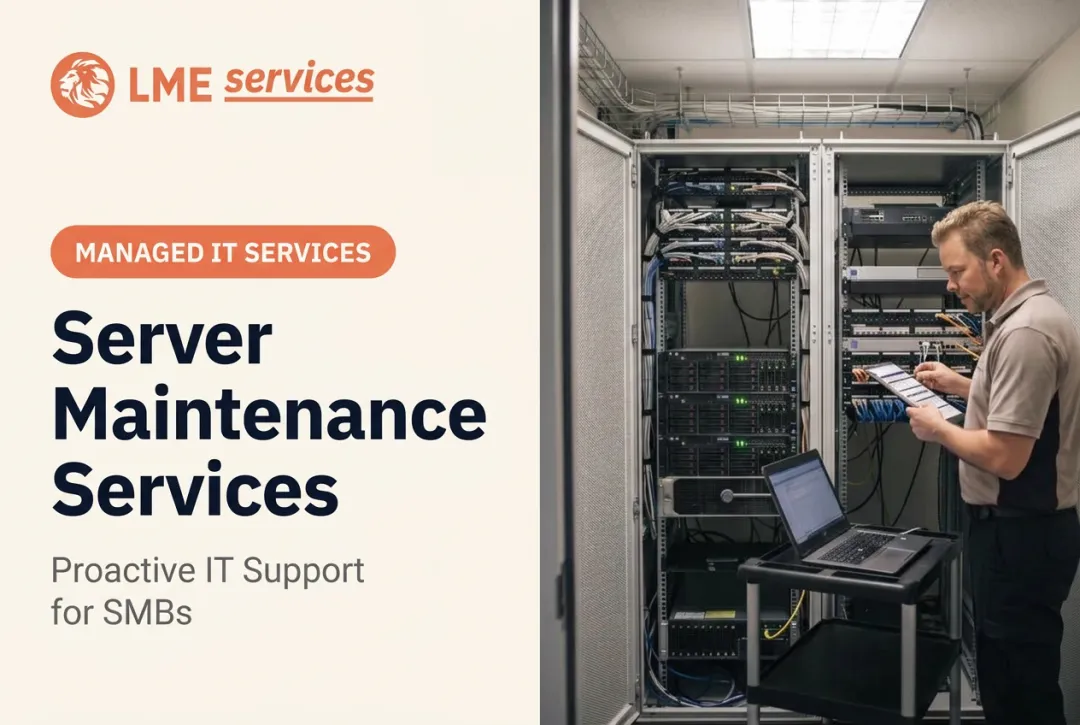
Also Read: Server Maintenance Services
With those steps in place, the final decision is who provides your Tier 2 support.
How to Choose a Tier 2 IT Support Provider?
Many providers claim Tier 2 capability. These factors help you tell which ones actually have it:
- Experienced technicians: Ask how many years the people handling escalations have spent in the support field.
- Dedicated team: A named lead who knows your setup, backed by a team, so escalations start with context.
- 24/7 coverage: Monitoring and a real person on the emergency line after hours, not just a voicemail box.
- Documented escalation paths: Written triggers, handoff notes and priority-based response commitments.
- Breadth of skills: Networking, servers, cloud platforms and security under one roof.
- Compliance awareness: Experience with access controls and logging for HIPAA or SOC 2 if you handle sensitive data.
- On-site backup: The ability to send someone on-site when a hardware or physical issue needs it.
- Flexible terms: Short agreements with a clear opt-out instead of multi-year lock-ins.
Working through these factors helps you find a provider whose Tier 2 layer actually fixes problems instead of passing them along.
How LME Services Helps Businesses Get Real Tier 2 Support
Many growing businesses reach a point where one internal IT generalist, or a provider with a thin bench, can't keep up. Tickets bounce between people, complex issues wait for days and staff get tired of explaining the same problem again.

LME Services is a family-owned, second-generation managed IT and cybersecurity company with its headquarters in Hoffman Estates, Illinois. Leon Engelking founded the company in 1994 after leaving IBM, and his son, CEO Joe Engelking, leads new business and client relationships today. Looking back on three decades, Leon says: "Over the years, our business developed a reputation not just for the quality of service but for the way we provide it."
Help desk and support services at LME include:
- Managed IT Support Services
- Reliable IT Help Desk Services
- End User Support Services for Reliable IT
- Fixed Fee IT Support for Growing Businesses
- 24/7 IT Support and Help Desk Services
Here's what sets LME apart:
- Experienced technicians: LME says it aims "to only employ technicians who have been in the support field for 8+ years."
- A dedicated lead with context: Clients work with the same team every time, so escalated tickets start with knowledge of their network, users and history instead of a blank screen.
- Deep systems skills: Systems engineer Ivan Chapa works across networking, servers, cloud platforms and security systems, including troubleshooting complex technical issues and optimizing infrastructure.
- Proven client results: Hansen & Cleary moved from reactive, pay-as-you-go support to managed services with monitoring, cloud backup, secured remote access, 2FA and encryption, with the budget kept in line with its existing spending.
- 24/7 support and monitoring: Every managed IT plan includes 24/7 support for business-stopping emergencies and a monitoring agent on every computer and server, with a real escalation path.
- Local on-site help: From Hoffman Estates, the team provides same-day on-site support when needed across Chicagoland.
- Clear terms: An experienced technician runs the discovery call, the managed IT quote arrives the same day, and plans run on a 1-year agreement with a 30-day opt-out.
This approach helps businesses get escalations owned by people who know their environment, so complex problems get fixed instead of passed along.
Conclusion
IT support tiers exist to route each problem to the right skill level, and Tier 2 is where most complex issues are won or lost. What shapes your results is technician experience, clear escalation rules and a team that already knows your systems.
The partner you choose has a big influence on that. Experienced technicians, 24/7 coverage and documented handoffs often decide whether a ticket takes an hour or a week.
If your tickets keep stalling after escalation, connect with the LME Services team today for a free 15-minute consultation, and find out how stronger Tier 2 support can keep your team working.
Frequently Asked Questions
What is Tier 1, Tier 2, and Tier 3 support?
Tier 1 handles routine troubleshooting such as password resets. Tier 2 handles escalated technical issues that need system access and configuration changes. Tier 3 covers specialist or vendor-level problems that Tier 2 can't resolve alone.
What is level 2 IT support?
"Level 2" and "Tier 2" mean the same thing. Both refer to the escalation layer that picks up complex issues frontline support can't resolve.
What kind of issues get escalated to Tier 2?
Common triggers include configuration errors, software bugs that need backend changes, and issues that require admin-level or permission access Tier 1 doesn't have.
How long should Tier 2 support take to resolve an issue?
It depends on complexity and priority. Rather than expecting one fixed number, ask your provider for documented response commitments by priority level.
Does Tier 2 support require on-site visits?
Most Tier 2 issues are resolved remotely. Hardware failures or physical problems sometimes need an on-site visit, so confirm your provider can send someone when remote access isn't enough.